
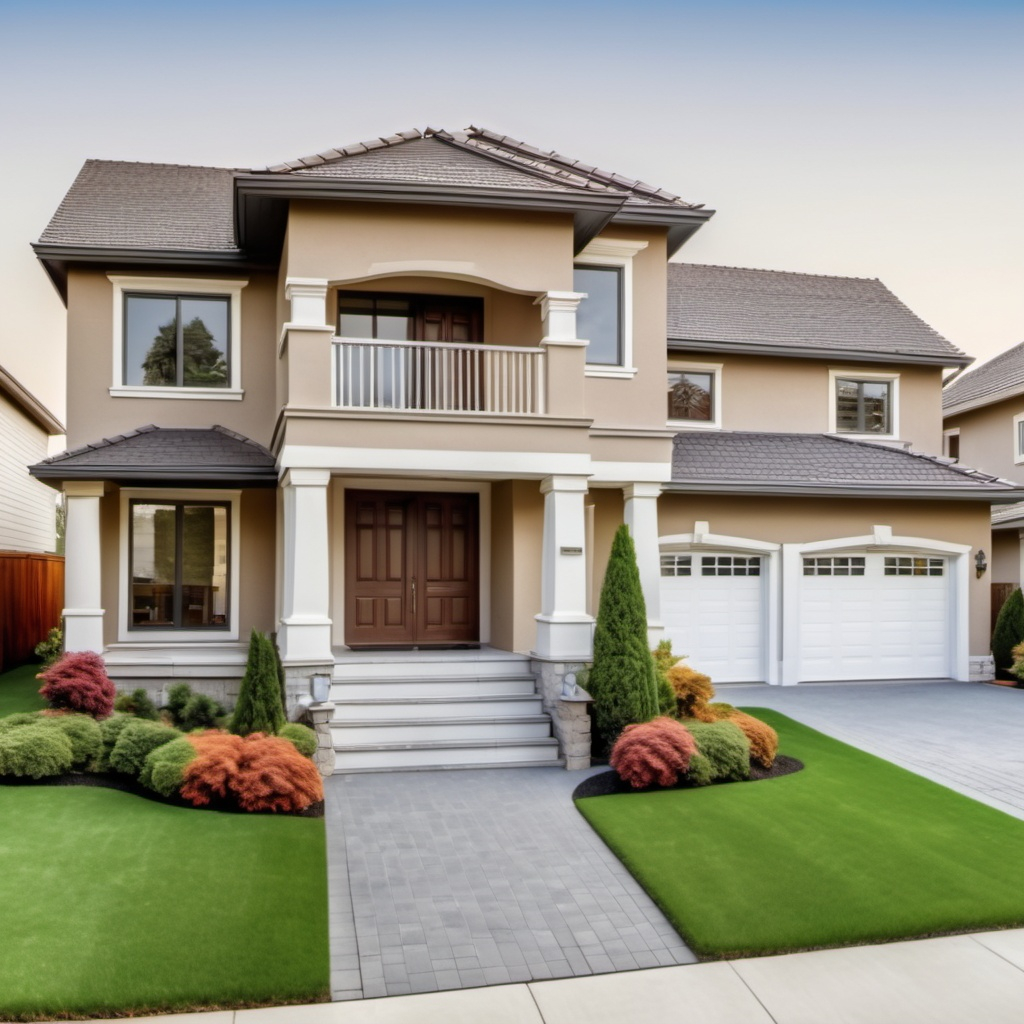
Introduction: The Lagos Real Estate Paradox
Lagos is a city of extremes. On one hand, it’s a pulsating hub of opportunity, attracting dreamers, entrepreneurs, and investors. On the other, its real estate market often feels like a labyrinth of frustration—skyrocketing prices, eye-watering rents, and accusations of “greedy” developers. But what if the truth is more nuanced? As a realtor who’s brokered deals for both first-time homeowners and seasoned investors, I’ve seen the tears of buyers priced out of their dreams and the silent struggles of developers drowning in hidden costs. Let’s peel back the layers of Lagos’ “overpriced” label and explore the why behind the numbers.
Myth 1: “Developers Are Just Greedy”
Reality: Survival in a High-Cost, High-Risk Environment
Yes, a 3-bedroom apartment in Lekki selling for ₦150 million feels absurd. But let’s talk about what isn’t on the price tag:
- Land Acquisition Wars: In Lagos, securing land often means navigating communities, families, and “Omo-Oniles” (landowners) with conflicting claims. One developer client spent 18 months and ₦30 million in legal fees just to clear titles for a 1-acre plot.
- Building Materials Crisis: Cement prices have doubled since 2020. Importing tiles, roofing, or elevators? Add 35% in tariffs and another 20% for bribes at ports.
- The “Lagos Tax”: From kickbacks to local officials for permits to diesel costs for off-grid power (₦8 million monthly for a mid-sized site), developers bleed money before laying a single block.
The Buyer’s Pain: It’s infuriating to see prices soar while wages stagnate. But vilifying developers ignores systemic rot.
Myth 2: “Prices Don’t Reflect Actual Property Value”
Reality: Speculative Demand vs. Reality
Lagos is Africa’s most populous city, with 25 million people competing for space on a sinking coastline. Prime areas like Ikoyi or Victoria Island have finite land. When a billionaire pays ₦1 billion for a waterfront parcel, it resets the market value for every nearby property—even those without waterfront access.
The Buyer’s Pain: Middle-class families get squeezed out, but developers aren’t inflating prices—they’re chasing ROI in a market where land scarcity collides with hyper-demand.
Myth 3: “Foreign Investors Are to Blame”
Reality: They’re a Symptom, Not the Disease
Foreign buyers do pay premiums, but why? Nigeria’s weak Naira (₦1,500/1) makes Lagos properties cheap in dollar terms..A500,000 luxury apartment in Miami costs the same as ₦750 million in Lagos—a steal for diaspora Nigerians or foreign speculators. Developers capitalize on this, but the root issue is Nigeria’s currency crisis, not “outsiders.”
The Buyer’s Pain: Locals feel like strangers in their own market. But without forex inflows, many projects wouldn’t break ground at all.
Myth 4: “Government Policies Have Nothing to Do With It”
Reality: Chaotic Regulations Fuel Chaos
Lagos has no centralized land registry. One client discovered three “owners” of the same land, each with valid-looking documents. The state’s 2018 “Ease of Doing Business” reforms? Most agents still budget 12–18 months for approvals. Delays = higher interest on loans = higher final prices.
The Buyer’s Pain: Buyers foot the bill for bureaucratic incompetence. Yet, when developers cut corners to save costs (e.g., skipping permits), everyone points fingers.
Myth 5: “There’s No Room for Negotiation”
Reality: Everything’s Negotiable—If You Know the Game
Developers often pad prices by 20–30%, expecting haggling. But most buyers don’t know this. I recently helped a teacher secure a 15% discount on a Gbagada condo by leveraging a bulk-purchase deal (she partnered with two friends).
The Buyer’s Pain: Lack of transparency breeds distrust. But educated buyers can win—if they find ethical agents.
Conclusion: A Call for Shared Solutions
The Lagos real estate crisis isn’t a villain story—it’s a tragedy of broken systems. Buyers aren’t “entitled” for wanting affordable homes; developers aren’t “predators” for pricing survival. To fix this, we need:
- Policy Reform: Streamline land titles, slash import tariffs on materials, and tax vacant luxury units.
- Collective Advocacy: Buyers, agents, and developers must unite to demand accountability from policymakers.
Next time you see a “₦200 million” price tag, remember: Behind that number are layers of struggle, survival, and a city bursting at its seams. The solution starts with seeing both sides.
P.S. If you’re battling the Lagos property market, DM me. Let’s find your win-win.
